
When temperatures drop and winter storms become more likely, having a reliable generator can make a big difference. Whether you use a portable generator for occasional power outages or depend on one to keep essential equipment running, preparing it for colder weather can help prevent problems when you need it most.
Generators can become difficult to start after sitting unused for months, especially when old fuel, weak batteries, or neglected maintenance are involved. Winterizing your generator before colder weather arrives can help reduce the risk of unexpected problems during a power outage.
Why Is Generator Winterization Important?
Cold weather can make a generator harder to start, and moisture and old fuel can cause additional problems.
Proper generator winterization can help:
- Reduce starting problems during cold weather
- Minimize fuel issues
- Keep your battery and wiring protected
- Identify worn or damaged components
- Extend the generator's working life
Preparing your generator in the fall also gives you time to address maintenance issues before winter storms arrive.
How to Winterize a Portable Generator
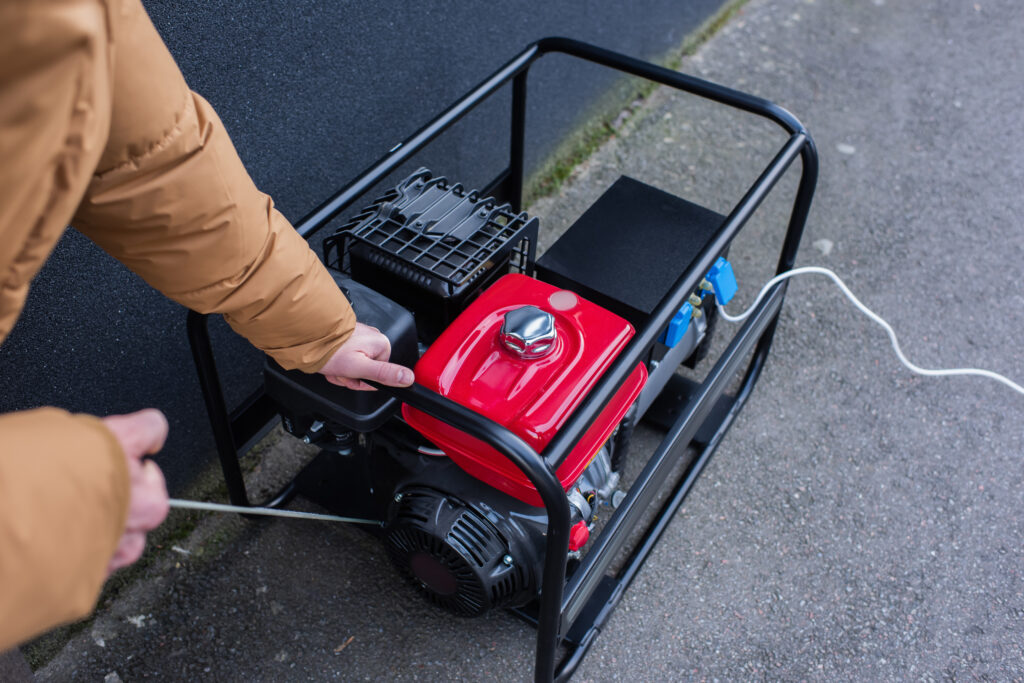
Portable generators require regular maintenance, especially when they spend long periods in storage. The following steps can help prepare your equipment for fall and winter.
1. Check and Change the Engine Oil
Engine oil protects your generator's internal components, but it becomes contaminated over time. Before winter, check the oil level and condition. If an oil change is due, replace it with the type recommended by the manufacturer.
Some generators require different oil viscosities for cold-weather operation. Check your owner's manual before making changes, since using oil that is too thick can make the engine harder to start.
2. Inspect the Fuel System
Old gasoline is one of the most common causes of generator starting problems. Fuel can deteriorate during storage, leaving deposits that interfere with the carburetor and fuel system.
If your generator has been sitting unused, check the condition of the gasoline. Depending on the manufacturer's recommendations, you may need to drain the fuel system or add an appropriate fuel stabilizer.
For generators kept ready for emergency use, follow the manufacturer's fuel storage instructions and keep fresh gasoline available in approved containers.
3. Clean or Replace the Air Filter
A dirty air filter restricts airflow and can affect engine performance. Remove the filter according to the manufacturer's instructions and inspect it for accumulated dirt or damage.
Some air filters can be cleaned and reused, while others require replacement. Checking the filter before winter can help prevent avoidable performance issues.
4. Inspect the Spark Plug
A worn or dirty spark plug can make starting difficult, particularly in colder temperatures. Inspect the spark plug for carbon buildup, damaged electrodes, or excessive wear.
Replace the spark plug when necessary using the manufacturer's recommended replacement. Check the spark plug wire and connection for visible damage as well.
5. Check the Battery
If your generator has an electric starter, a healthy battery is important for reliable operation. Cold temperatures can reduce battery performance, making a weak battery more likely to fail.
Inspect the terminals for corrosion and check the battery's charge. A compatible battery maintainer can help preserve the charge during extended periods of inactivity.
6. Test the Generator Before Winter
After completing the necessary maintenance, start your generator according to the manufacturer's instructions. Listen for unusual noises, check for warning indicators, and confirm that the engine runs consistently.
You can also test the generator with an appropriate electrical load, following the manufacturer's recommendations. Testing before winter gives you time to address problems rather than discovering them during an outage.
Important: Always operate portable generators outdoors, at least 20 feet from doors, windows, and vents, with the exhaust directed away from occupied buildings. Never run a generator inside a garage, basement, or enclosed space because of the risk of carbon monoxide poisoning.
How to Prepare a Standby Generator for Winter
Standby generators are permanently installed outside the home and can start automatically when utility power is interrupted. Although these systems are designed for outdoor operation, they still require regular maintenance.
Before winter, check the battery and charging system to confirm that the generator can start when needed. For propane-powered models, verify that the tank has sufficient fuel. Natural gas and propane connections should be inspected by qualified professionals when necessary.
Many standby generators also have automatic exercise cycles that start the engine periodically. Check the control panel for fault messages and confirm that the exercise schedule is functioning properly.
Keep the area around the generator clear of leaves, debris, snow, and ice. Blocked intake or exhaust openings can interfere with operation, so maintain the clearances specified by the manufacturer.
Should You Drain the Gas From a Generator for Winter?
Whether you should drain the gasoline depends on how long the generator will be stored and the manufacturer's recommendations.
For generators that will remain unused for several months, draining the fuel tank and carburetor may help prevent fuel deterioration. Other models can be stored with fresh gasoline treated with an appropriate fuel stabilizer.
If you depend on your generator for emergency backup power, keeping it ready for operation is particularly important. Follow the manufacturer's fuel storage instructions rather than leaving untreated gasoline in the system for extended periods.
Where Should You Store a Generator During Winter?
A portable generator should be stored in a dry location where it will be protected from rain, snow, and moisture. A garage or storage shed can be suitable, provided the generator is turned off, completely cooled, and stored according to the manufacturer's fuel safety recommendations.
If you expect to use the generator during winter outages, make sure you can easily move it to a safe outdoor operating location. Never operate a portable generator inside its storage area or near doors, windows, or vents.
Common Generator Winterization Mistakes to Avoid
A few common maintenance mistakes can leave your generator unprepared when winter weather arrives.
- Leaving old gasoline in the tank: Deteriorating fuel can cause starting and carburetor problems.
- Skipping oil changes: Low or degraded oil can contribute to engine damage.
- Ignoring the battery: Weak batteries can prevent electric-start generators from operating.
- Waiting until a storm to test the generator: Problems are easier to address before an outage.
- Improper generator placement: Running a generator indoors or too close to the home creates a serious carbon monoxide hazard.
Never connect a portable generator directly to a household electrical outlet. If you want to power home circuits, have a qualified electrician install an approved transfer switch or another code-compliant connection system.
When Should You Winterize Your Generator?
Early fall is a good time to prepare your generator, before freezing temperatures and winter storms become common.
For Connecticut homeowners, handling maintenance in September or October leaves time to fix any issues before the cold weather sets in. If winter is on the horizon, though, it's still worth checking your generator.
Winterizing your generator isn't a substitute for regular generator maintenance. Ensure you're following the manufacturer's guidelines for servicing your generator at the recommended intervals.
Get Your Generator Ready for Winter With Bethel Power Equipment
Winter storms in Connecticut can cause unexpected power outages, and the last thing you want is a generator that won't start when you need it. Taking care of maintenance before temperatures drop can help you avoid problems and keep your equipment in good working condition.
At Bethel Power Equipment, we work with homeowners and property owners throughout Bethel, Wilton, and surrounding Connecticut communities. Whether you're looking to purchase a new generator or have questions about maintaining your current equipment, our knowledgeable team can help you understand your options and make the right choice for your property.
Contact Bethel Power Equipment today to learn more about our generators and how to prepare your equipment for the winter months.


 Search Website